

Views: 0 Author: Site Editor Publish Time: 2025-09-12 Origin: Site


You know that winter windshield care keeps you safe on icy mornings. Imagine scraping frost while your breath fogs the glass. Winter windshield care helps you stop ice buildup and avoid cracks. You can use simple habits and tools for better visibility. Winter windshield care protects you and your car every day.
Tip: Winter windshield care makes driving safer and easier.
Clean your windshield often, both inside and outside. This helps you see better and keeps you safe when driving in winter. Use the right tools, like an ice scraper and a snow brush. These help you take off ice and snow without hurting your windshield. Look for chips and cracks a lot, and fix them fast. This stops bigger problems and saves you money on repairs.
You face a lot of challenges when driving in winter weather. Ice, snow, and frost can block your windshield and make it hard to see. If you do not take care of your windshield, you put yourself and others at risk. Here are some common safety risks:
Ice or snow can cover your windshield and block your view.
Using hard tools to scrape ice can cause damage to the glass.
Quick changes in temperature can make small cracks worse, leading to more damage.
You want clear visibility every time you drive. Regular cleaning helps remove dirt and debris that can build up on both sides of the windshield. When you use the right wiper fluid and keep your wipers in good shape, you can see better during snowstorms. Water-repellent products also help keep your view clear in tough winter weather.
Tip: A clean windshield helps you spot hazards faster and react quickly.
Winter weather can be tough on your car's glass. If you ignore small chips or cracks, they can turn into bigger problems. Cold air and sudden heat from defrosters can make damage spread fast. When you use the wrong tools or pour hot water on a frozen windshield, you risk even more damage.
You can avoid costly repairs by checking your windshield often and fixing any damage right away. Lever understands how important strong, safe glass is for your car. Their experience in automotive glass means you get quality and safety every time.
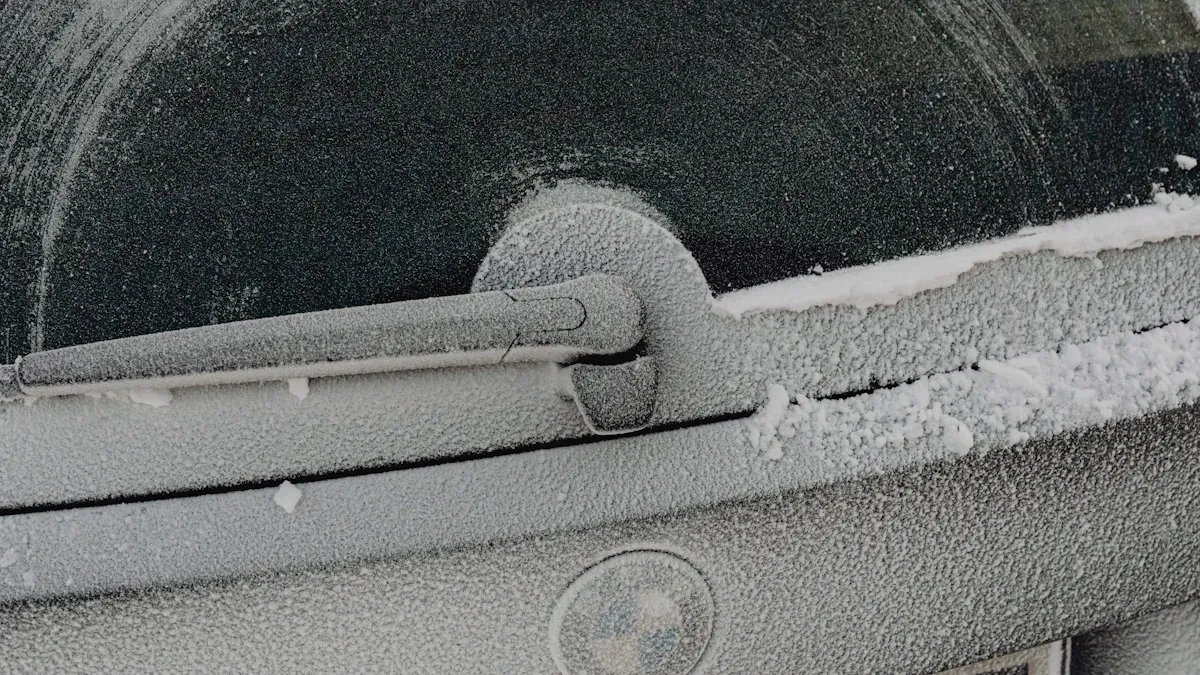
You wake up and see your windshield covered in ice or frost. This is one of the most common winter windshield problems. You might notice different types:
Radiation frost forms on clear, cold nights when water vapor freezes right onto the glass.
Hoarfrost looks fuzzy and gray, almost like a beard on your windshield.
Fern frost creates pretty patterns inside your car when warm air meets cold glass.
Rime frost shows up during freezing fog, with icy drops sticking to the surface.
Tip: Use a proper ice scraper to clear frost. Never pour hot water on a frozen windshield. That can lead to cracking.
Heavy snow can pile up fast. If you forget to clear snow off your car roof, it can slide down and block your windshield while you drive. Snow buildup can also damage your wipers and make it hard to see.
Always clean all snow off your car before driving.
Snow falling from the roof can block your view and cause unsafe driving.
Blocked visibility can even lead to fines.
Fogging happens when warm, humid air inside your car touches the cold windshield. The temperature difference causes condensation, making it hard to see. You can fix this by using your car's defroster and keeping the inside glass clean.
Winter brings big changes in temperature. Your windshield expands when it gets warm and contracts when it gets cold. This makes it easier for small chips to turn into big cracks. Moisture can get into cracks, freeze, and make the damage worse. Sudden temperature changes, like pouring hot water on a frozen windshield, can cause cracking.
Gradually warm up your car to avoid stress on the glass.
Check for chips or cracks often and fix them quickly.
Your wipers work hard in winter. You might hear chattering noises if the blades don't touch the windshield smoothly. Snow and ice can bend wiper frames or wear out the rubber. Old blades leave streaks and miss spots, making it tough to see.
Replace worn blades before winter starts.
Make sure wipers sit flat against the glass for best results.
Note: Taking care of these common winter windshield problems helps you stay safe and see clearly all season.
You wake up and see your windshield covered in ice. You want to clear it fast, but you also want to avoid damage. Here are some winter windshield tips for safe ice and snow removal:
Use a proper ice scraper, not your wipers. Wipers can bend or break if you use them on thick ice.
Grab a snow brush with a long handle for heavy snow. It helps you reach across the windshield without straining.
Try an ergonomic scraper if your hands get tired easily. Heated or electric scrapers work well for tough ice.
Never pour hot water on the windshield. Sudden temperature changes can crack the glass.
Turn on your car's defroster 10-15 minutes before you leave. This helps loosen ice and makes scraping easier.
Pre-treat your windshield with a de-icer spray or a vinegar-water mix. This can prevent ice from sticking overnight.
For light frost, a credit card works in a pinch, but it's not good for thick ice.
Tip: Be patient. Let your car warm up and use gentle tools. You'll protect your windshield and save money on repairs.
Tool Type | Features | Advantages | Disadvantages |
|---|---|---|---|
Basic compact ice scraper | Portable, simple | Good for light frost | Not for thick ice |
Ergonomic scraper | Comfortable grip, chipper | Reduces hand strain | May cost more |
Multi-function snow broom | Long handle, sturdy | Great for large vehicles | Bulky to store |
Heated ice scraper | Heats up, melts ice | Quick for tough ice | Needs power, higher price |
Electric ice scraper | Cuts stubborn ice | Easy to use, fast | Needs power, expensive |
You want to prevent ice and fog before they start. Here are some tips to keep your windshield clear:
Keep the inside of your car dry. Wet boots and snow gear add moisture, which causes fogging.
Clean the inside glass often. Dirt and oils make fog stick more easily.
Use your car's defrosting system. It helps balance the temperature and keeps the glass clear.
Apply a water-repellent treatment before winter. This makes water bead up and roll off, so ice and snow don't stick as much.
Cover your windshield with a special cover or tarp the night before a storm. This blocks frost and snow from forming.
Spray de-icer fluid or a vinegar-water mix on the outside glass to prevent ice.
Wipe the windshield with rubbing alcohol every other day. This helps prevent ice buildup.
Note: Water-repellent treatments fill tiny gaps in the glass, making it smoother. Snow and ice slide off more easily, and you get better visibility.
Your washer fluid and wipers work hard in winter. You need to keep them in top shape for safety.
Use winter-grade windshield washer fluid. It stays liquid in freezing weather and helps clear road salt and grime.
Switch to winter wipers if you live in a snowy area. They handle ice and snow better than regular blades.
Replace your wipers every 6 to 12 months. Check them before winter starts. If you see streaks or hear squeaking, it's time for new blades.
Fill your washer reservoir with de-icer fluid. This helps melt light ice and keeps the system working.
Inspect your wipers often. Bent frames or cracked rubber mean you need replacements.
Tip: Good wipers and washer fluid give you clear visibility, even in heavy snow. Don't forget to check them before the first freeze.
Regular cleaning keeps your windshield clear and safe. Here's how you can do it right:
Clean both the inside and outside glass every week. Use a cleaner made for auto glass. Avoid ammonia or harsh chemicals.
Try a homemade mix of water and vinegar for a streak-free shine.
Use a soft, lint-free microfiber cloth or sponge. This prevents scratches.
Inspect your windshield for chips and cracks often. Cold weather makes small damage worse. Fix problems early to avoid big repairs.
Check your snow brush and ice scraper for wear. Replace them if they're cracked or rough.
Note: Regular inspection and cleaning help you spot problems before they get serious. You'll save money and stay safe all winter.
Maintenance Task | How Often | Why It Matters |
|---|---|---|
Clean windshield | Weekly | Removes dirt, improves vision |
Inspect for damage | Monthly | Prevents cracks from spreading |
Replace wipers | Every 6-12 mo | Keeps visibility clear |
Check washer fluid | Before freeze | Prevents system damage |
You can follow these winter windshield tips to keep your car safe and your view clear. Simple habits and the right tools make a big difference. Don't forget to check your winter tires, too. They help you stop safely when roads are icy. Stay ahead of winter weather and enjoy safer driving.
You want to make your morning routine easier during winter. A windshield snow cover can save you time and effort. You have several options for protecting your windshield from ice and snow:
Try using an old blanket. It works well and costs almost nothing.
Clip a bed sheet to your windshield. This simple trick keeps frost away.
Always secure your cover tightly. Wind can blow it off if you don't fasten it well.
A windshield snow cover acts as a barrier. It stops snow, ice, and frost from forming overnight. You just remove the cover in the morning and your windshield stays clear. You spend less time scraping and more time driving. Covers are easy to put on and take off, so you don't waste time.
Where you park makes a big difference in winter. You can protect your windshield and wipers by choosing the right spot:
Park in a covered garage. This shields your windshield from snow and ice.
Stay away from large snowbanks and puddles of saltwater. These can damage your wipers and glass.
Avoid flooded areas. Frozen moisture can cause problems for your tires and wipers.
Use a heated cover or parking tent if you don't have a garage.
Parking orientation matters too. If you face your car toward the sun, you help melt frost faster. Your windshield gets less ice buildup and your wipers work better.
You want to avoid mistakes that can damage your windshield and wipers in winter. Here are some things you should never do:
Don't use hot water to defrost your windshield. The rapid temperature change can crack the glass.
Never ignore small chips or cracks. Cold weather makes them worse.
Don't use wipers covered in ice. Ice-caked wipers can scratch your windshield and stop working.
Don't forget about your side windows. They need care too.
Skipping regular maintenance is risky. Check your wipers and windshield often.
Using hot water on a frozen windshield stresses the glass. It expands and contracts quickly, which leads to cracks. Always check your wipers before you drive. Replace them if they look worn or make noise. Clean your windshield and wipers regularly to keep everything working well.
Tip: Take care of your windshield and wipers every week. You'll have a safer and easier winter.
You can make winter driving safer and easier with a few smart habits. Try these steps:
Keep an ice scraper and snow brush handy.
Use de-icer fluid.
Replace worn wiper blades.
Clean your windshield inside and out.
Check your defrosters.
Start these habits before winter hits for clear views and fewer repairs!
You should check your wipers every month. If you see streaks or hear squeaks, swap them out for new ones.
No, you need winter-grade washer fluid. Regular fluid can freeze and damage your system.
Fix it right away.
Cold weather makes chips grow fast.
Quick repairs save you money and keep you safe.


